
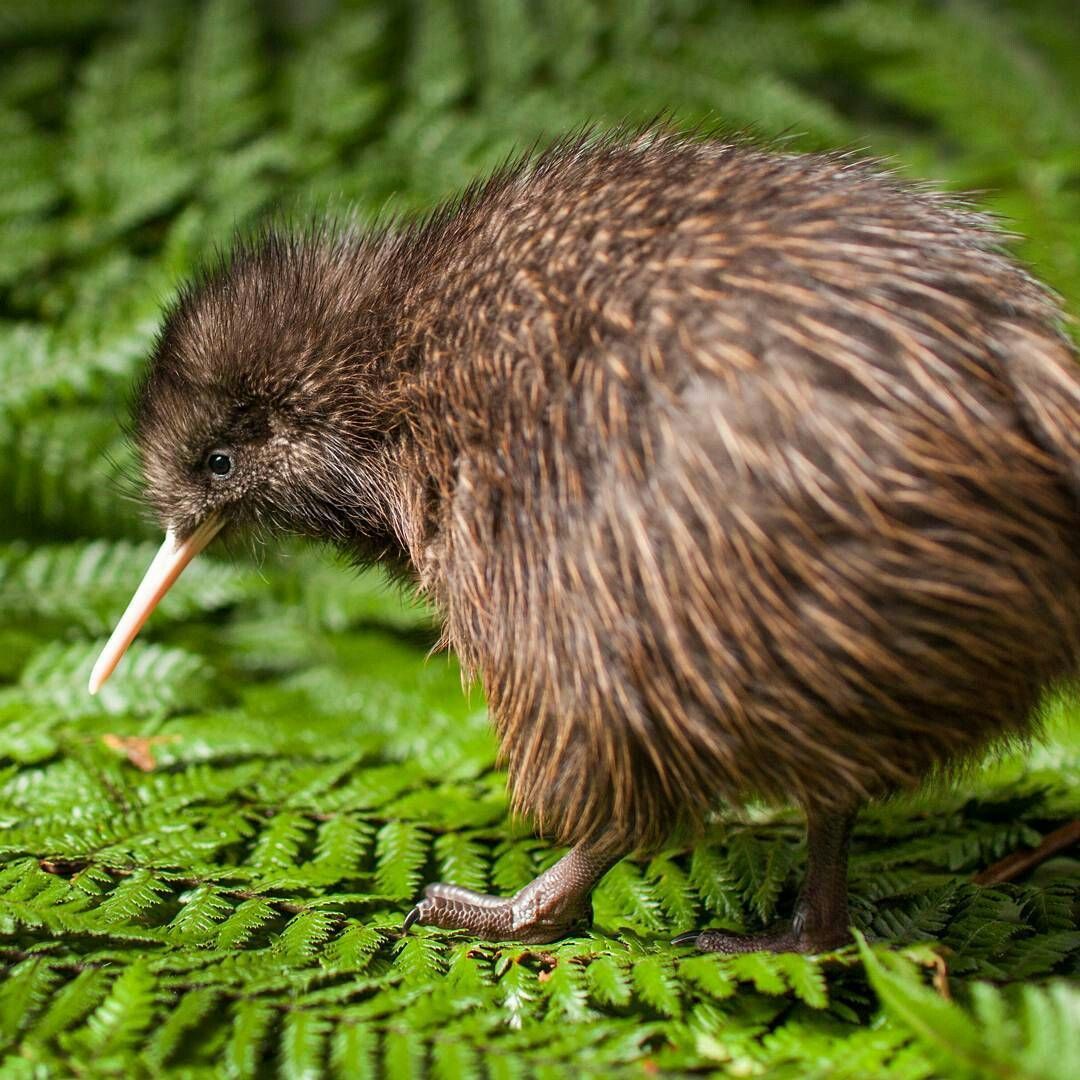
The Kiwi (genus Apteryx) is New Zealand’s most iconic bird, and one of the strangest on Earth. Despite being a bird, it cannot fly, has hair-like feathers, tiny hidden wings, and nostrils at the tip of its long beak. But perhaps the most surprising fact is its size: most species of kiwi weigh around 2–3 kilograms, roughly the same as a newborn human baby.
Kiwis are nocturnal foragers, using their long bills to probe the soil for worms, insects, and roots. They also have an extraordinary sense of smell, rare among birds, which helps them find food in the dark forest floor.
Even more remarkable, the kiwi lays one of the largest eggs relative to body size of any bird — up to 20% of the female’s weight. The chick hatches fully feathered and independent, needing no feeding from its parents.
The Kiwi’s Incredible Egg: Nature’s Most Extreme Pregnancy
Discover the astonishing story of the kiwi bird, whose egg is one of the largest in proportion to its body size — nature’s most extreme pregnancy.
Sadly, kiwis are threatened by introduced predators such as stoats, cats, and dogs. Intensive conservation efforts, including predator control and chick-rearing programs, are helping populations recover. For New Zealanders, the kiwi is more than a bird — it is a national symbol of resilience and uniqueness.