
Among countless birds with songs that fill forests and skies, few evoke as much melancholy as the Mourning Dove — a species whose name and sound carry the weight of sorrow. Known in English as the Mourning Dove, this gentle bird has become a cultural symbol of loneliness, loss, and longing, earning its title as “the saddest bird in the world.”
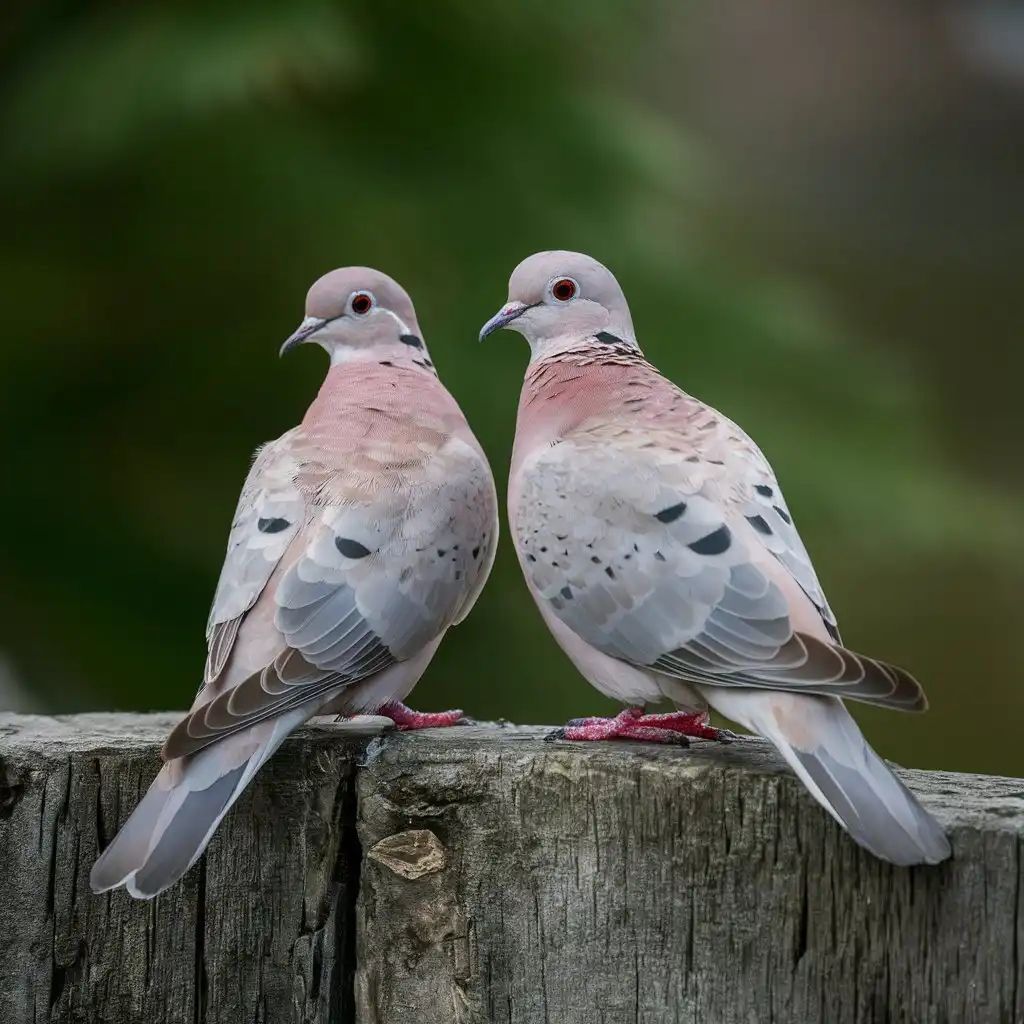
Its reputation doesn’t come from appearance. In fact, the Mourning Dove is graceful, with soft gray-brown plumage dusted in pink hues and a slender, elegant form. But it’s the dove’s haunting call that captures hearts — a slow, echoing coo that sounds like a sigh carried by the wind: “Hoo-oo-oo, hoo, hoo, hoo.”

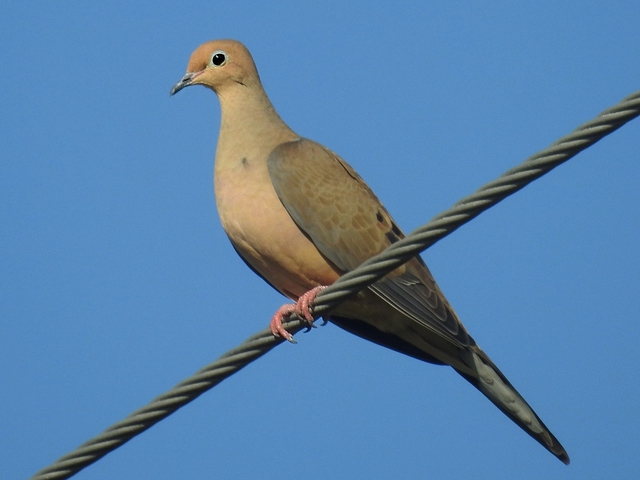
To unaccustomed ears, its call feels like a lament — a tender, drawn-out moan that seems to mourn something lost. Over time, this sound has become deeply woven into folklore and art, representing grief, solitude, and the quiet ache of remembrance.
Yet, science tells a different story. Ornithologists explain that the Mourning Dove’s mournful coo is not an expression of sadness, but rather a biological and social signal. Males produce the sound to attract mates and defend their territory. For a species that mates for life, the call is less a cry of sorrow and more a declaration of devotion — a promise of fidelity and protection.
Other variations of the dove’s calls are used as warnings to signal danger or maintain contact within flocks. What humans interpret as heartache is, in reality, a language of survival and connection.

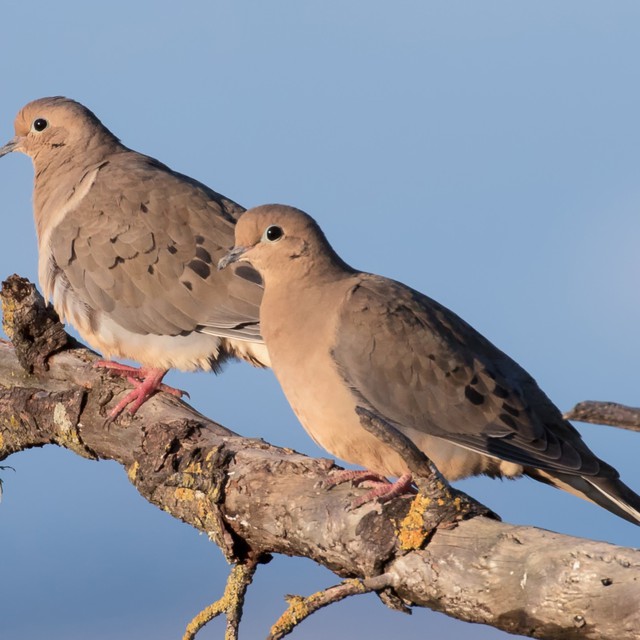
Still, our emotional response to the dove’s voice persists — a reminder of how deeply humans project feelings onto nature. The contrast between scientific truth and emotional perception is precisely what makes the Mourning Dove so fascinating.
In Western art, literature, and music, its call often serves as a symbol of mourning or lost love. Country and blues musicians have woven its sound into melodies about separation, longing, and faded memories. In some folk traditions, hearing its song is thought to be a gentle reminder of departed loved ones, or even an omen of sorrow to come.
The Mourning Dove is called “the saddest bird in the world” not because it feels grief, but because its voice awakens ours — resonating with the quiet spaces in the human heart where love and loss still linger. Its song is not truly mournful, yet it reminds us of everything we’ve ever missed, loved, or lost — and that, perhaps, is why it moves us so deeply.